Become FINNISH
SPEAK LIKE A REAL NATIVE
AUTHENTIC FINNISH LIVING

From its early settlements and the establishment of the Kingdom of Finland, to its period under Swedish and Russian rule, Finland has played a significant role in Northern European history. Its unique cultural identity blends Nordic, Baltic, and Russian influences while maintaining strong indigenous Finnish and Sami traditions. With breathtaking natural landscapes, from vast forests and thousands of lakes to the magical Northern Lights, Finland offers a timeless journey through its rich heritage and deep connection to nature.
After gaining independence in 1917, Finland navigated the challenges of the 20th century with resilience, emerging as a global leader in innovation, education, and sustainable living. The nation joined the European Union in 1995 and has since strengthened its reputation for technological advancements, social welfare, and environmental consciousness. Today, Finland is known for its high quality of life, world-class design, and a strong sense of community, while also being a pioneer in digitalization and green technology.
We have created a selection of words and expressions that you won't find in any textbook or course, to make you become a real native by helping you understand Finnish words that carry a deeper cultural meaning as well as expand your knowledge of the country and its history.
Speak and think like a real Finn!


EXPAND YOUR KNOWLEDGE
If you are serious about learning Finnish, we recommend that you download the Complete Finnish Master Course.
You will receive all the information available on the website in a convenient portable digital format as well as additional contents: over 15.000 Vocabulary Words and Useful Phrases, in-depth explanations and exercises for all Grammar Rules, exclusive articles with Cultural Insights that you find won't in any other textbook so you can amaze your Finnish friends thanks to your knowledge of their country and history.
With a one-time purchase you will also get hours of Podcasts to Practice your Finnish listening skills as well as Dialogues with Exercises to achieve your own Master Certificate.
Start speaking Finnish today!
AVANTO
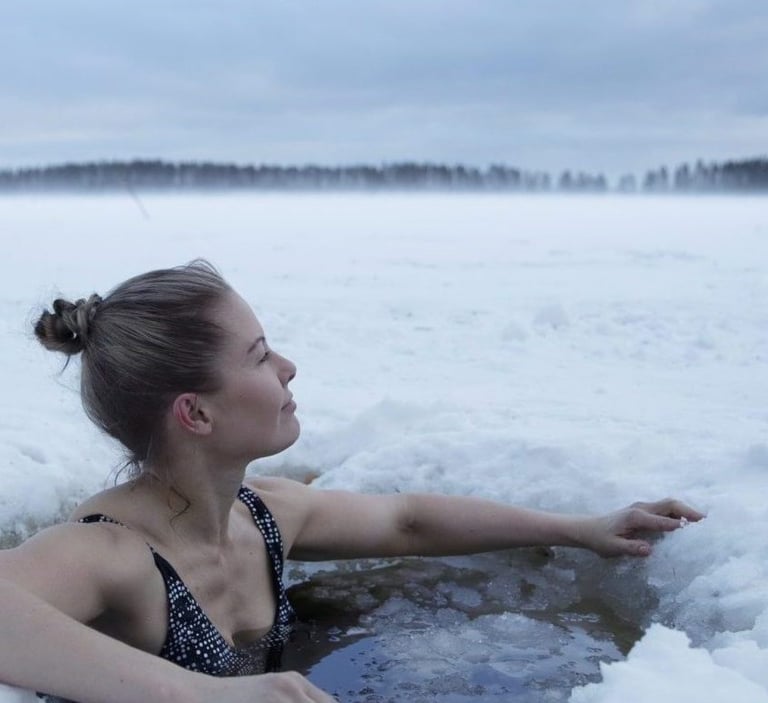
AVANTO (ice hole) is a Finnish word referring to a hole cut into the ice of a lake, river, or sea during winter, most often associated with the practice of winter swimming. The word comes from the verb avata (to open), indicating an opening in the frozen surface. In Finland, where lakes and waterways freeze for several months each year, the avanto has had both practical and cultural importance, serving as a site for washing, fishing, and, most famously, for talviuinti (winter swimming).
The tradition of using an avanto for swimming is deeply rooted in Finnish culture. Many Finns believe that immersing oneself in icy water strengthens the immune system, improves circulation, and promotes overall well-being. For this reason, avantouinti (ice hole swimming) has developed into a popular recreational activity. People often combine it with the sauna (sauna), alternating between the intense heat of the sauna and the freezing water of the avanto. This contrast is thought to refresh the body and mind, reduce stress, and improve sleep quality. Winter swimming associations across Finland maintain public avannot (ice holes), ensuring that the tradition continues in a safe and organized manner.
From a practical perspective, avanto was historically essential in daily life. Before modern plumbing, villagers used avannot for collecting water in winter, washing clothes, and even bathing. Fishermen also relied on avannot to practice pilkkiminen (ice fishing), cutting openings in the ice to access fish beneath the frozen surface. These utilitarian uses made the avanto a central feature of winter survival in rural Finland. Even today, pilkkiminen avannolla (ice fishing at an ice hole) is a popular pastime, showing the continuity of this tradition.
EUKONKANTO
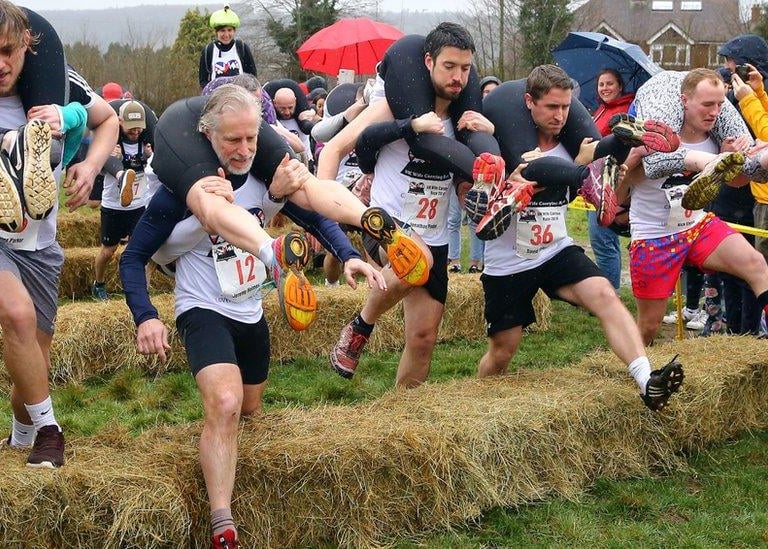
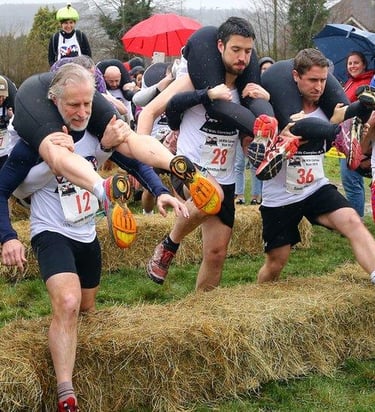
Eukonkanto is a Finnish sporting event that has gained international fame for its unusual premise: a man carries a woman—traditionally his wife—through an obstacle course as quickly as possible. The word combines eukko (wife, old woman) and kanto (carrying), and together it describes this humorous but physically demanding contest. The most famous version is held annually in Sonkajärvi, where the official Eukonkannon maailmanmestaruuskilpailut (World Wife-Carrying Championships) take place.
The origins of eukonkanto are linked to local folklore. One explanation traces the practice to 19th-century tales of a man named Herkko Rosvo-Ronkainen, a bandit leader who was said to steal women from neighboring villages while carrying them on his back. Another theory suggests that the tradition comes from older village competitions where men tested their strength and endurance by carrying heavy sacks or livestock. Over time, the event evolved into the more playful eukonkanto, formalized as a sporting competition in the 1990s.
The rules of modern eukonkanto are specific. The course is 253.5 meters long and includes obstacles such as sand, fences, and a water pool. The woman must weigh at least 49 kilograms; if she is lighter, she must carry additional weight to meet the requirement. Several carrying techniques are permitted, but the most famous is the “Estonian carry,” where the woman hangs upside down with her legs around the man’s shoulders and her head near his lower back. This method provides balance and speed, making it the most common in competitive eukonkanto.
Culturally, eukonkanto reflects the Finnish sense of humor and creativity in sports. While Finland is well known for traditional activities like hiihto (skiing), pesäpallo (Finnish baseball), and soutu (rowing), quirky competitions such as eukonkanto, saappaanheitto (boot throwing), and ilmakitara (air guitar) also form part of the national sporting identity. The Eukonkannon MM-kisat (World Wife-Carrying Championships) in Sonkajärvi draws competitors from Europe, Asia, and North America, turning the small town into a global center of attention each summer. Winners receive prizes traditionally including the woman’s weight in beer, further emphasizing the humorous spirit of the event.
HARJU
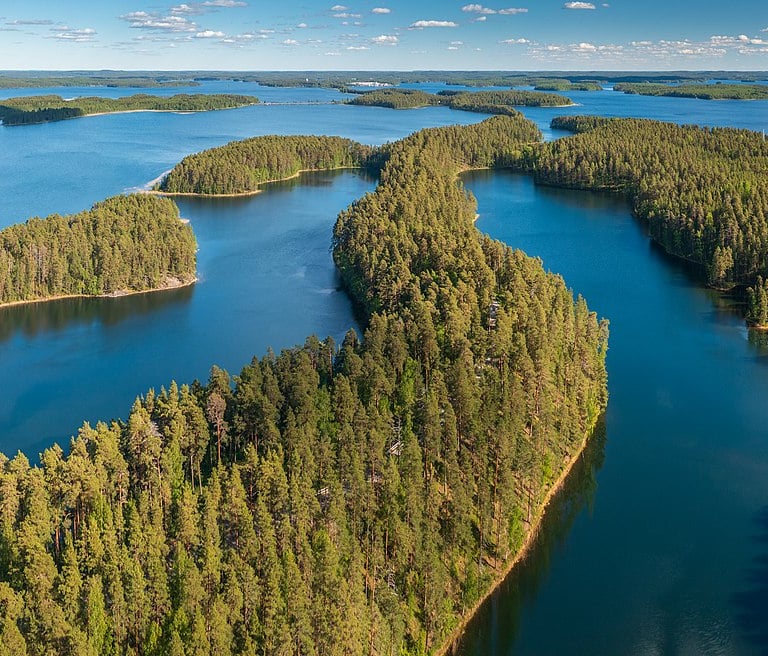
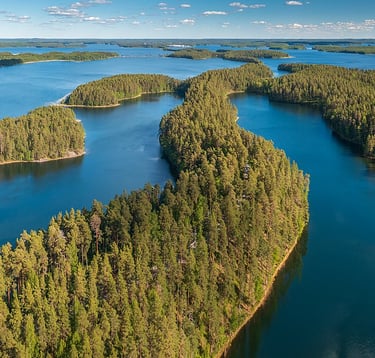
HARJU (ridge) is a Finnish geographical term referring to long, narrow ridges of sand and gravel formed by glacial activity during the Ice Age. These formations, known scientifically as glasifluviaaliset muodostumat (glaciofluvial formations), are common across Finland due to its extensive glacial history. During the last Ice Age, meltwater streams flowing under retreating glaciers deposited layers of sand, gravel, and stones. When the ice receded, these deposits remained as winding ridges stretching for kilometers across Finland. Well-known examples include Salpausselkä (Salpausselkä Ridge), a massive formation in southern Finland, and Pyynikinharju (Pyynikki Ridge) in Tampere, which is considered the world’s highest gravel ridge. These harjut (ridges) are distinctive features that influence soil composition, vegetation, and land use.
Ecologically, harju landscapes provide unique habitats. Because the soil is sandy and well-drained, vegetation differs from surrounding clay or peat areas. Mäntymetsä (pine forest) is especially common on ridges, with kanerva (heather), puolukka (lingonberry), and mustikka (blueberry) thriving in the undergrowth. Some harjut also support rare plants adapted to dry conditions, making them important sites for biodiversity conservation. Finnish environmental authorities often designate ridges as luonnonsuojelualueet (nature reserves). Harju areas are also important for groundwater. Their porous soils act as natural reservoirs, storing and filtering water. Many towns rely on harjuvesi (ridge water) for clean drinking supplies. Protecting ridges from construction and sand extraction is therefore a key part of Finnish environmental policy.
In prehistory, people settled near ridges because the elevated land provided dry, stable ground and good visibility. Archaeological finds from harjualueet (ridge areas) include Stone Age dwellings and burial sites, showing their importance in early habitation. Later, ridges became natural routes for roads and paths, as their raised, sandy surfaces made travel easier compared to surrounding wetlands. Even today, many Finnish highways and railways follow the lines of harjut.
Recreationally, harjut are popular destinations for outdoor activities. Trails along ridges attract walkers, runners, and cyclists, offering scenic views of lakes and forests. In winter, harjut serve as routes for hiihto (skiing) and lumikenkäily (snowshoeing).
HILLA
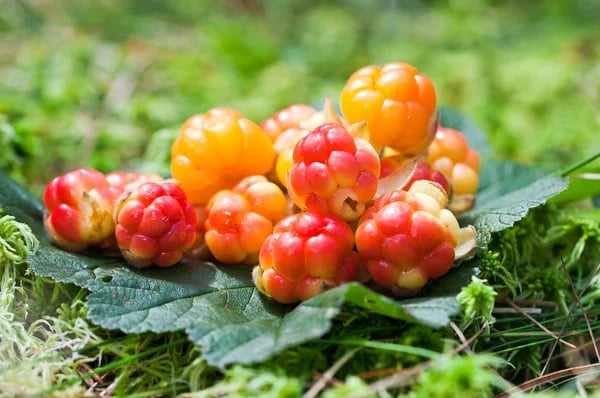
HILLA (cloudberry) is a golden-orange berry that grows in northern bogs and wetlands, especially in Lapland, and is one of the most highly prized wild foods in Finland. The word hilla is most commonly used in northern Finland, while elsewhere the berry is also known as lakka or suomuurain.
Ecologically, hilla thrives in suo (bog) environments, which cover large parts of Finland’s landscape. The plant requires acidic soil and plenty of light, making open wetlands ideal habitats. Because hilla grows in remote and often difficult-to-access areas, picking it requires endurance and knowledge of the terrain. The berry is highly seasonal, ripening in July and August, when families and individuals head into the bogs for hillastus (cloudberry picking). This activity is part of the broader Finnish tradition of marjastus (berry picking), which also includes gathering mustikka (blueberry), puolukka (lingonberry), and karpalo (cranberry).
Culturally, hilla has been called “Lapland’s gold” because of its rarity and high economic value. Unlike blueberries and lingonberries, which can be gathered in large quantities, hilla plants yield only a few berries each, and the annual harvest can vary greatly depending on weather conditions. As a result, hilla is one of the most expensive berries sold at Finnish markets. In Lapland, entire families travel long distances to collect hilla, sometimes camping near bogs to maximize the harvest. The value of the berry is reflected in sayings and folk expressions, where hilla symbolizes both wealth and patience.
In Finnish cuisine, hilla is used in a wide variety of dishes. The most traditional preparation is hillo (jam), often served with leipäjuusto (Finnish squeaky cheese), creating a classic combination of flavors. Hillakiisseli (cloudberry kissel) and hillahillo kakku (cloudberry jam cake) are also popular desserts. In festive contexts, hillalikööri (cloudberry liqueur) and hillaviini (cloudberry wine) are produced, emphasizing the berry’s role in special occasions. Because of its rich vitamin C content, hilla was historically important for preventing deficiencies during long winters, adding to its cultural and nutritional value.
HIMMELI
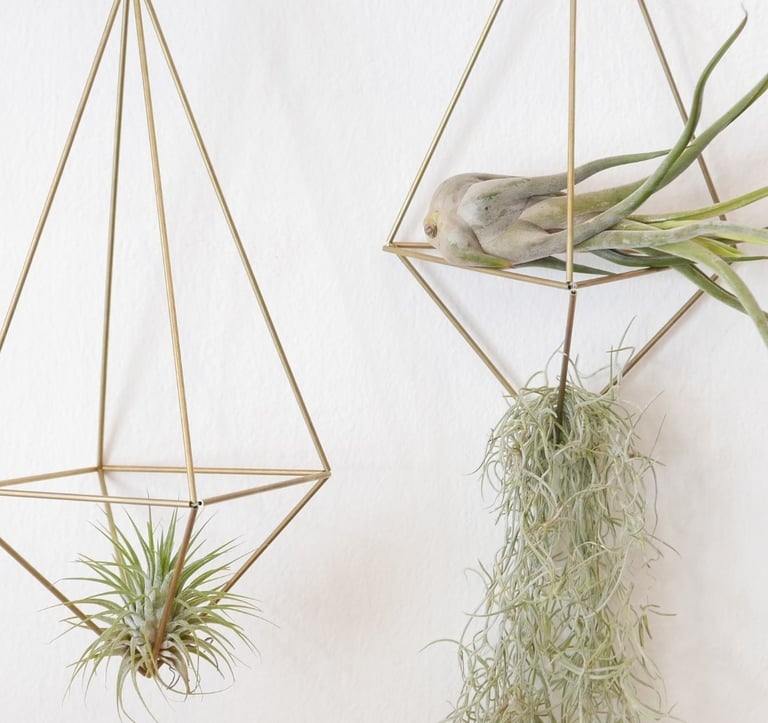
HIMMELI (straw decoration) is a traditional Finnish ornament made of rye straw, most commonly hung from the ceiling at Christmas but also used in other festive contexts. The word himmeli comes from the Swedish himmel (sky or heaven), reflecting its suspended, airy design. A himmeli consists of geometric shapes—often diamond or prism forms—created by threading pieces of straw together with string or thread. This delicate decoration has become one of the most recognizable symbols of Finnish folk art and seasonal tradition.
Historically, himmeli was part of Christmas celebrations in rural Finland. Families prepared himmelit during late autumn using leftover olkia (straw) from the harvest. Hanging the decoration over the dining table was thought to bring onni (good luck) and ensure a good harvest in the coming year. The movement of the himmeli in the air was associated with prosperity, as it symbolized the balance and harmony of the household. In this sense, the himmeli was not only decorative but also had a ritual meaning tied to agricultural cycles and beliefs about fertility and abundance.
The making of a himmeli required patience and skill. Children often learned the craft from their elders, passing down techniques through generations. The simplest form was a single diamond shape, while more elaborate versions could consist of dozens of interconnected prisms forming large, complex structures. These larger himmelit could hang in place until the next Christmas, gradually accumulating symbolic power as enduring protectors of the household.
With modernization and the decline of straw use in farming, himmeli temporarily lost its central role in Finnish households. However, from the mid-20th century onward, efforts by folklorists, craft associations, and museums helped revive interest in the tradition. Today, himmeli making is taught in schools and craft workshops, and it is considered part of Finland’s kansanperinne (folk heritage). Designers and artists have also reinterpreted the himmeli, using modern materials such as metal, glass, or plastic while keeping the geometric structure intact. This blend of tradition and innovation has kept the himmeli relevant in contemporary Finnish design. In Finnish language, himmeli is also used metaphorically.
ILVES
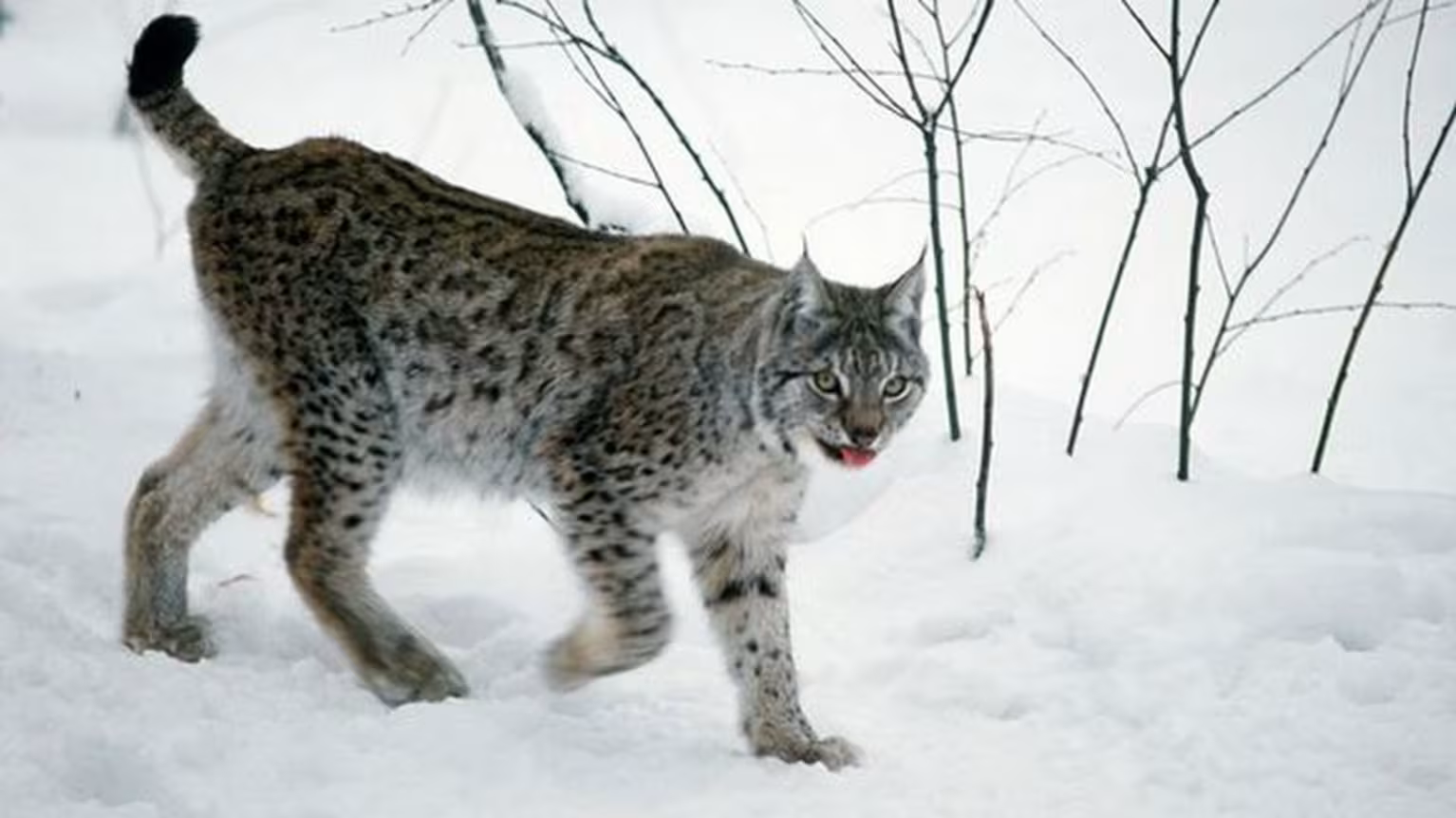
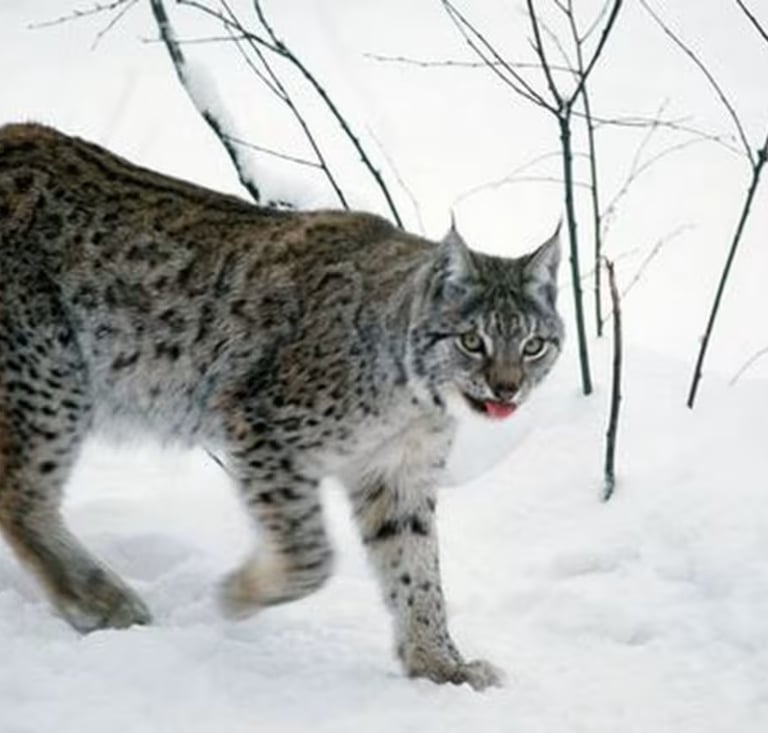
ILVES (lynx) is Finland’s national wild cat and one of the most emblematic predators of the country’s forests. The Eurasian lynx, or Lynx lynx, is native to large parts of Europe and Asia, but in Finland it has a particularly strong cultural and ecological significance. The Finnish word ilves appears in folklore, literature, sports, and place names, reflecting the deep association of this animal with wilderness and national identity.
Ecologically, the ilves is a medium-sized predator with tufted ears, a short tail, and spotted fur that allows it to blend into its environment. In Finland, it inhabits metsäalueet (forest areas) across the country, from the southern woodlands to the northern reaches of Lapland. The population of ilvekset (lynxes) has grown in recent decades due to conservation efforts, making it the most common large carnivore in Finland today, surpassing even susi (wolf), karhu (bear), and ahma (wolverine). The ilves primarily hunts jänis (hare), kauris (roe deer), and various small mammals and birds, helping to regulate populations and maintain ecological balance.
In Finnish folklore and mythology, the ilves is admired for its sharp eyesight, agility, and elusive nature. The animal is often described as intelligent and cunning, qualities reflected in proverbs such as terävä kuin ilveksen silmä (sharp as a lynx’s eye). Unlike the wolf, which has sometimes been feared or vilified, the ilves tends to be viewed with respect and fascination.
Culturally, the ilves has been adopted as a symbol in many contexts. The city of Tampere is home to the ice hockey team Tampereen Ilves (Tampere Lynx), one of Finland’s most successful and popular sports clubs.
From a conservation perspective, the ilves is a success story. In the 20th century, populations declined due to hunting and habitat loss, and the species was once rare in Finland. Legal protection, along with careful management, allowed the ilves population to recover, and it is now estimated at several thousand individuals. Controlled hunting is permitted under license, but the species is carefully monitored to ensure sustainable numbers.
ITSENÄISYYSPÄIVÄ
ITSENÄISYYSPÄIVÄ (Independence Day) is Finland’s national holiday, celebrated annually on December 6 to commemorate the declaration of independence from Russia in 1917. The word combines itsenäisyys (independence) and päivä (day), directly marking the significance of this historic event.
The origins of Itsenäisyyspäivä go back to December 6, 1917, when the Finnish Parliament, or Eduskunta (Parliament), formally adopted the Declaration of Independence. This was a crucial turning point in Finnish history, as the country moved from being an autonomous Grand Duchy under the Russian Empire to a fully independent nation. Since then, Itsenäisyyspäivä has been observed as the most important day of the Finnish calendar, carrying layers of historical and cultural meaning.
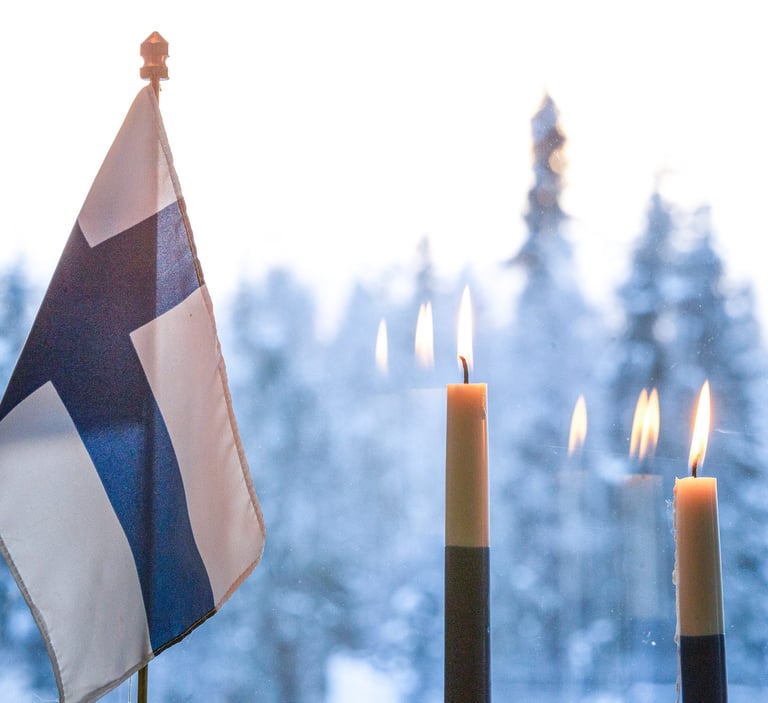
The celebration of Itsenäisyyspäivä is marked by national rituals. In the morning, the President of Finland participates in a flag-raising ceremony at Töölöntori (Töölö Square) in Helsinki, where the siniristilippu (blue-cross flag) is raised. Across the country, families and institutions light two candles in windows at dusk, a tradition known as kaks kynttilää (two candles). This custom dates back to the 1920s and 1930s, and during wartime it carried the added symbolism of solidarity and resistance. For many Finns, the candlelight represents both the sacrifice of earlier generations and the brightness of independence.
Another central element of Itsenäisyyspäivä is the presidential reception, known as Linnan juhlat (Castle Ball), held at the Presidential Palace in Helsinki. This formal event is broadcast live on national television and watched by millions of Finns each year. It includes a greeting line where guests—politicians, veterans, cultural figures, and invited citizens—shake hands with the President and First Lady. Commemoration of war veterans also plays a major role in Itsenäisyyspäivä. Services are held at sankarihaudat (heroes’ graves), and wreaths are laid at memorials across the country. The memory of the Talvisota (Winter War) and Jatkosota (Continuation War) is closely tied to the holiday, as Finland’s independence was preserved through immense sacrifices during those conflicts.


JOKAMIEHENOIKEUS
JOKAMIEHENOIKEUS (everyman’s right) is a uniquely Finnish legal and cultural principle that grants all people the freedom to roam in nature, regardless of land ownership, as long as they respect the environment and the property of others. The word is a compound of jokamies (everyman) and oikeus (right), literally meaning “the right of every person.”
Under jokamiehenoikeus, anyone in Finland is free to walk, ski, cycle, or camp temporarily on private or public land without needing the landowner’s permission. It also allows the gathering of natural products such as marjat (berries), sienet (mushrooms), and certain yrtit (herbs). For example, Finns exercise this right when picking mustikka (blueberry), puolukka (lingonberry), or hilla (cloudberry), making foraging an integral part of national culture. Fishing with a simple rod (onkiminen) and swimming in lakes are also included, ensuring that natural resources are accessible to all.
The principle of jokamiehenoikeus is not unlimited; it comes with responsibilities. Activities that cause damage, disturbance, or exploitation are prohibited. For instance, it is not allowed to cut down trees, take moss or soil, disturb wildlife, or enter people’s yards (piha-alue) or cultivated fields. Campfires (nuotio) can only be made with permission or in designated areas, except in emergencies. The balance between freedom and responsibility is central, often summarized by the phrase ei saa häiritä eikä vahingoittaa (do not disturb, do not harm).
Historically, jokamiehenoikeus developed from centuries of rural life in which survival depended on access to forests, waters, and natural resources. In sparsely populated Finland, land was abundant and communities relied on hunting, fishing, and foraging. Over time, these practices evolved into a recognized customary right that later became supported by legislation and environmental policy. Unlike many countries where private property strictly limits access, Finland maintained jokamiehenoikeus as a shared cultural value. The freedom to enter forests, pick berries, and hike across landscapes is seen not only as a right but also as a national tradition.
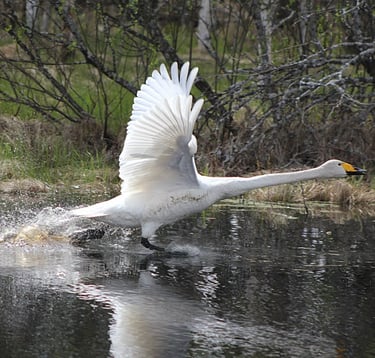
JOUTSEN
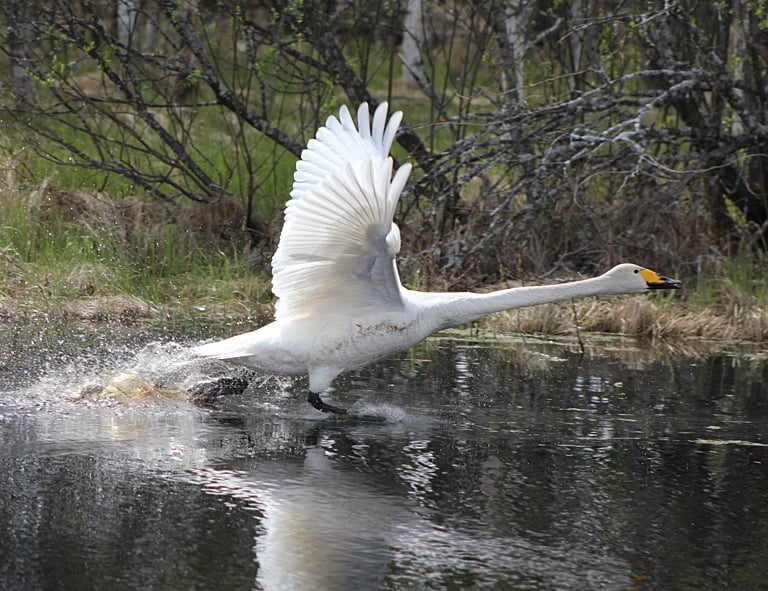
JOUTSEN (whooper swan) is Finland’s national bird and a powerful symbol of beauty, resilience, and the natural environment. The word refers specifically to the Cygnus cygnus, a large white swan native to Eurasia that migrates through and breeds in Finland. Unlike the smaller mute swan, which is more common in western Europe, the joutsen is known for its loud, trumpeting call and its strong presence in Finnish lakes, rivers, and wetlands.
Historically, the joutsen was nearly eradicated in Finland due to hunting in the 19th and early 20th centuries. Its feathers and meat were highly valued, and populations declined rapidly. By the 1930s, the bird had become so rare that it was considered almost extinct in Finland. Protection measures were introduced, and the species slowly recovered. Today, the laulujoutsen (whooper swan) is once again widespread across the country, especially in northern and central regions. Its recovery is considered one of the great successes of Finnish wildlife conservation.
Culturally, the joutsen is deeply rooted in folklore, literature, and music. In the national epic Kalevala, swans appear as mystical birds inhabiting lakes and rivers, often associated with purity and transcendence. In Finnish poetry, the joutsen frequently symbolizes freedom and endurance, its long migrations embodying strength and continuity. The composer Jean Sibelius wrote Joutsenet (The Swans), a tone poem inspired by their calls, capturing their haunting and majestic presence. For many Finns, the sight and sound of the joutsen are tied to seasonal changes, marking spring when they return from migration and autumn when they depart.
The joutsen became Finland’s official national bird in 1981 after a public vote organized by BirdLife Suomi (BirdLife Finland). Its choice reflected not only ecological importance but also the bird’s symbolic value in national consciousness. The image of the joutsen has since appeared in logos, emblems, and even currency. The Finnish one-markka coin issued in the 1990s featured two flying swans, reinforcing their status as a national emblem.
JUHANNUS
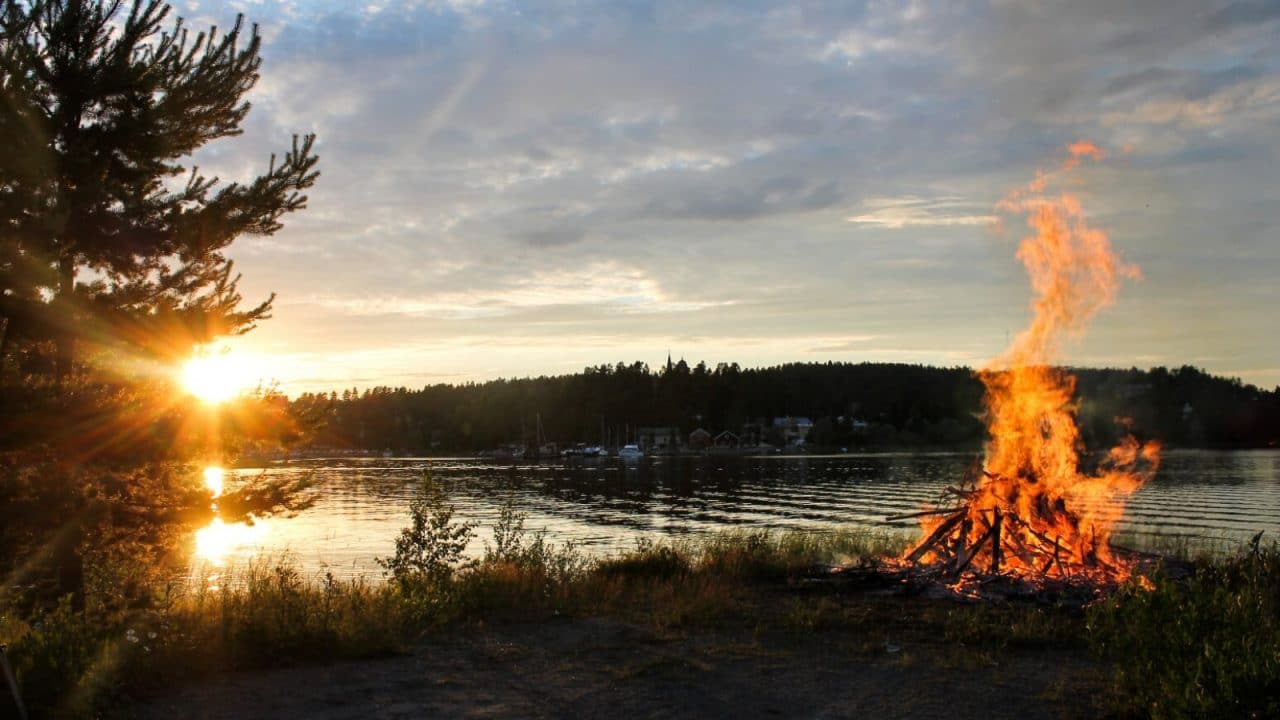
JUHANNUS (Midsummer festival) is one of Finland’s most important annual celebrations, marking the summer solstice and the longest days of the year. The word derives from Johannes Kastaja (John the Baptist), as the festival was originally tied to the Christian feast of St. John, but in Finland the celebration has largely taken on cultural and seasonal meanings rather than religious ones. In 1955, it was designated as Finland’s official liputuspäivä (flag day), and the blue-and-white Suomen lippu (Finnish flag) is flown across the country.
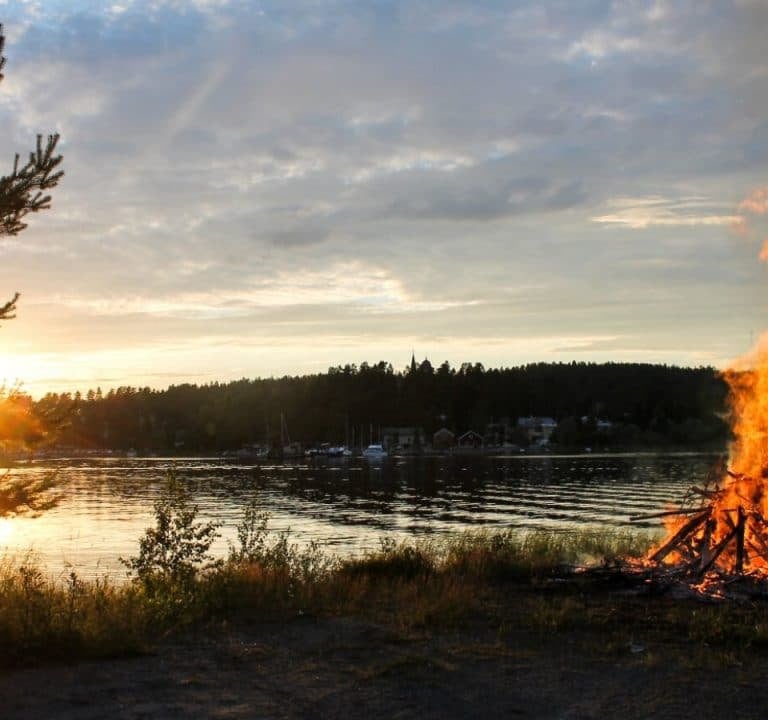
Traditionally, Juhannus was celebrated to honor fertility, harvest, and the life-giving power of the sun. Before Christianity, Finns marked the summer solstice with rituals intended to secure good crops, healthy livestock, and strong family life. Bonfires, known as kokko (midsummer bonfire), were lit to ward off evil spirits and to bring prosperity. These fires remain a central feature of Juhannus today, especially in lakeside and coastal areas where large kokot are built and burned at night, creating dramatic scenes against the bright midsummer sky.
One of the defining features of Juhannus is the keskiyön aurinko (midnight sun). In northern Finland, the sun does not set at all during this period, while in the south daylight lasts nearly the entire night. This natural phenomenon makes Juhannus unique, as celebrations continue through the night without darkness. People gather at summer cottages (mökki) by lakes and in the countryside, emphasizing the connection between Juhannus and Finnish outdoor life. The sauna plays a central role, with families and friends taking a sauna bath before plunging into the lake or sea.
In older times, young women collected seven flowers and placed them under their pillows to dream of their future spouse. Rituals involving vihta (birch whisk) and kukkaseppeleet (flower crowns) were also common, connecting Juhannus to fertility and romance. Modern Juhannus celebrations often include music festivals, dances, and communal gatherings. Cities like Helsinki and Tampere may organize public events, but many Finns leave urban areas to spend the holiday in rural cottages. Alcohol consumption is traditionally high during Juhannus, and unfortunately, accidents on roads and water are common, leading authorities to remind citizens of safety each year.
KAAMOS
KAAMOS (polar night) is a Finnish word that describes the period in northern Finland when the sun does not rise above the horizon for days or even weeks at a time. This phenomenon occurs within the Arctic Circle, especially in Lapland, where kaamosaika (polar night period) can last from late November to mid-January depending on the latitude. The word kaamos carries not only a scientific meaning but also cultural, emotional, and even psychological associations, making it one of the most expressive terms in the Finnish language.
Astronomically, kaamos happens because of the Earth’s axial tilt. In northern Finland, towns such as Utsjoki, Inari, and Sodankylä experience weeks without direct sunlight during winter. Even though the sun does not rise, the day is not completely dark. A few hours of hämärä (twilight) occur around noon, when the sky glows with shades of blue and pink. Combined with revontulet (northern lights), this creates one of the most unique natural lightscapes in the world.
For centuries, people in Lapland adjusted their lives to long periods of darkness by relying on fire, candles, and later electricity for light. Traditional activities like sauna, käsityöt (handicrafts), and storytelling helped communities pass the time during kaamosaika. In modern Finland, the period is used for both reflection and recreation, with many embracing winter sports such as hiihto (skiing), lumikenkäily (snowshoeing), and pilkkiminen (ice fishing) despite the lack of sunlight.
The term kaamosmasennus (polar night depression) describes seasonal affective disorder (SAD), a condition linked to lack of sunlight during winter months. Light therapy lamps, vitamin D supplements, and outdoor exercise are commonly recommended to cope with this condition. At the same time, many Finns view kaamos positively, seeing it as a peaceful season that emphasizes coziness and rest, balanced by the brightness of keskiyön aurinko (midnight sun) in summer.
Tourism in Lapland has turned kaamos into an attraction. Visitors from around the world travel to experience the darkness, twilight colors, and revontulet. Activities such as husky safaris, reindeer sledding, and stays in glass igloos are marketed as kaamos-elämykset (polar night experiences).
KALEVALA
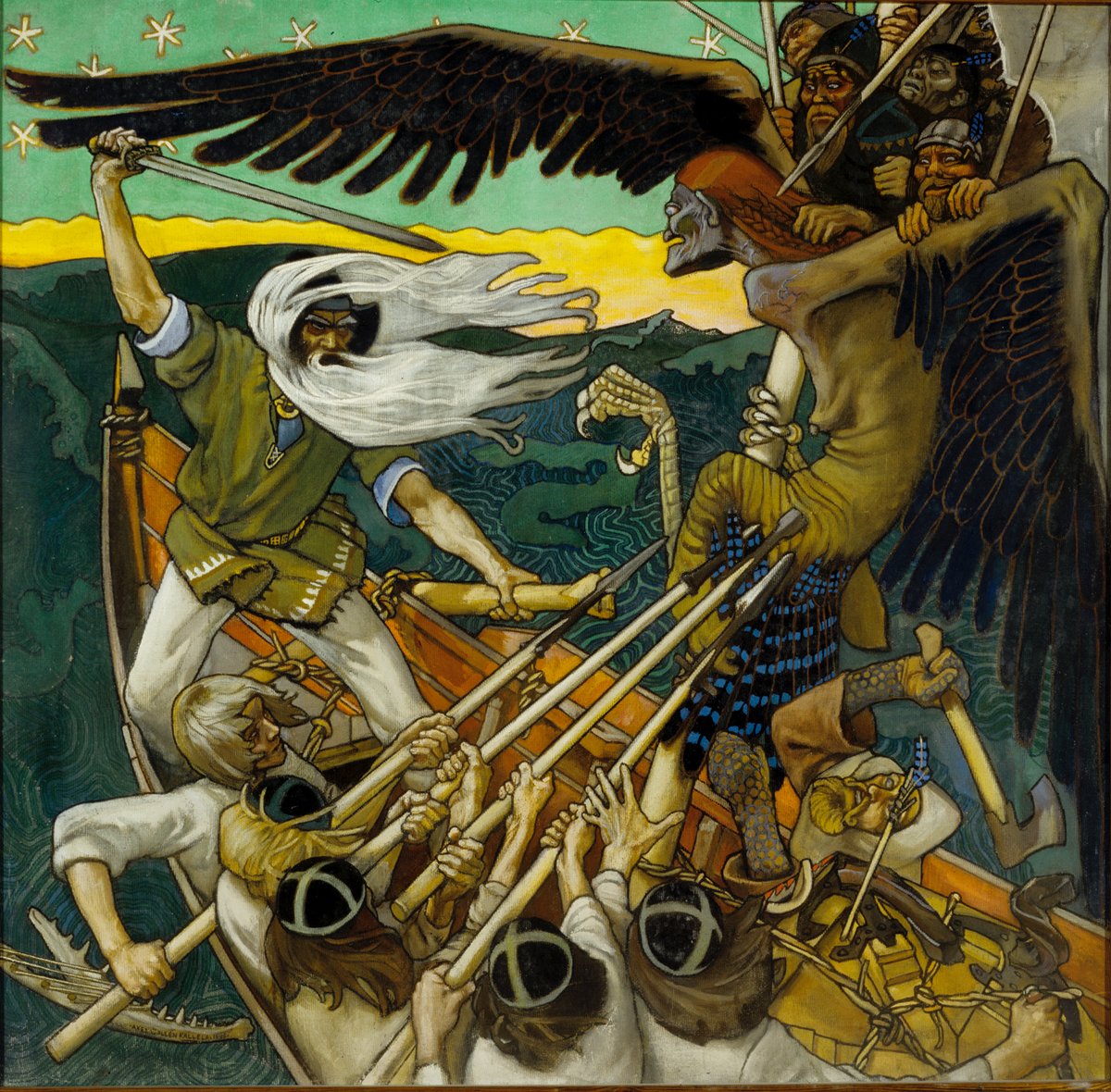
KALEVALA (Finnish national epic) is the foundational work of Finnish literature and a cornerstone of national identity. Compiled by Elias Lönnrot in the 19th century, it is based on oral poetry collected from Karelia and other regions where ancient runolaulu (rune singing) traditions survived. Published in 1835 and expanded in 1849, the Kalevala consists of 50 songs or runot (runes) with over 22,000 verses. It weaves together myths, legends, and heroic tales that had been transmitted orally for centuries, giving Finland a literary epic comparable to the Iliad or the Edda.
The central characters of the Kalevala embody themes of wisdom, craftsmanship, and struggle. Väinämöinen, the wise old singer, symbolizes knowledge and power through words and music. Ilmarinen, the eternal smith, represents craftsmanship and the ability to create through labor, most famously forging the sampo (mythical artifact of prosperity). Lemminkäinen, the reckless adventurer, illustrates passion and bravery, while Louhi, the Mistress of Pohjola, embodies the forces of opposition and mystery. These figures together create a mythic world where humans, gods, and nature interact constantly.
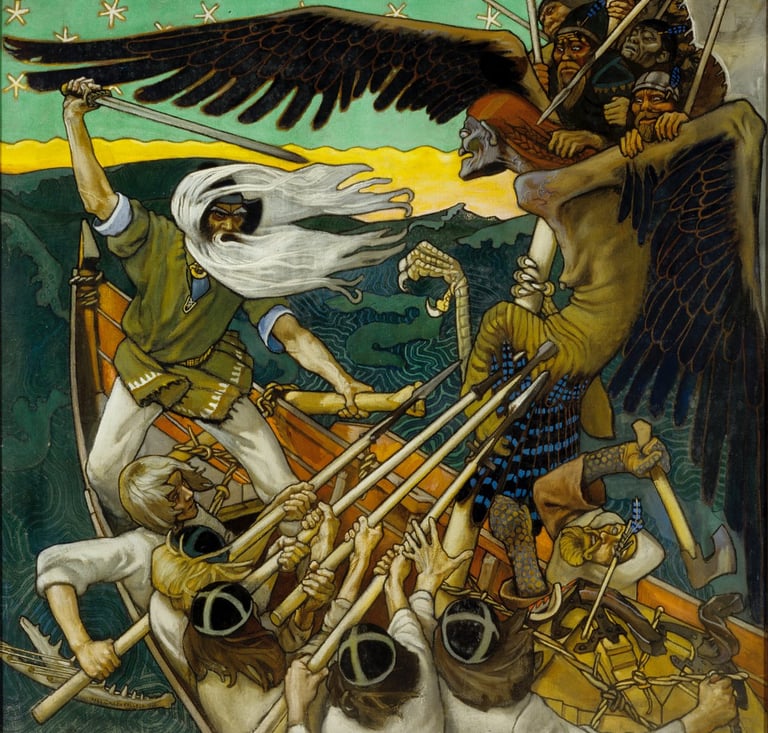
The Kalevala played a crucial role in Finland’s national awakening. During the 19th century, when Finland was an autonomous Grand Duchy under Russian rule, the epic gave Finns a shared cultural heritage and literary identity. Writers, artists, and composers drew inspiration from it, helping to build the idea of a distinct Finnish nation. Jean Sibelius, Finland’s most famous composer, created works such as Kullervo, Lemminkäinen Suite, and Pohjola’s Daughter, all inspired by Kalevala themes. Painters like Akseli Gallen-Kallela produced iconic visual interpretations of Kalevala scenes, which remain central in Finnish art history.
The Kalevala preserves the style of oral poetry through alkusointu (alliteration) and parallelismi (parallelism). Lines often repeat with slight variations, creating rhythm and reinforcing meaning. This style reflects the oral origins of the material and makes it distinct from later written poetry. Tolkien drew from Kalevala when developing his mythology for Middle-earth, particularly in the story of Túrin Turambar, which parallels Kullervo’s tragic tale.
KANTELE
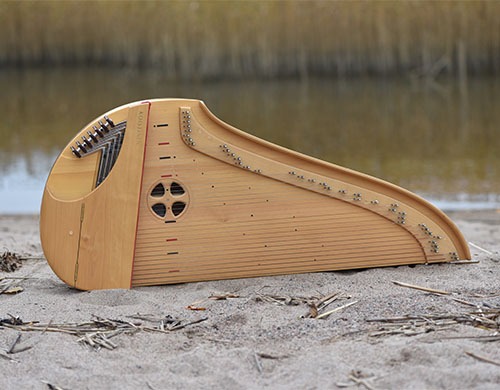
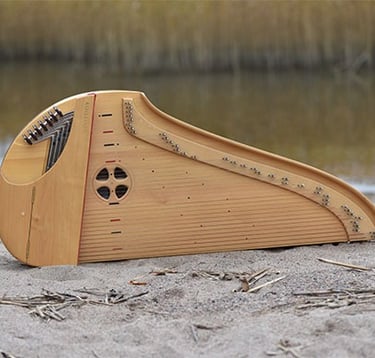
KANTELE (traditional Finnish string instrument) is the national instrument of Finland and one of the most important symbols of Finnish cultural heritage. It belongs to the family of plucked zithers and is closely associated with the Kalevala (Finnish national epic), where it plays a central role in the stories of Väinämöinen (Väinämöinen), the wise hero who is said to have created the first kantele from the jawbone of a giant pike and the hair of a maiden. This mythical origin links the instrument directly to Finnish identity, music, and mythology.
Traditionally, the kantele was a small instrument carved from a single piece of wood, often kuusi (spruce) or koivu (birch), and strung with a few strings made from horsehair, copper, or later steel. Early kanteleet had 5 to 15 strings and were used in rural households for personal enjoyment, storytelling, and local celebrations. The gentle, bell-like sound of the kantele made it ideal for accompanying runolaulu (rune singing), the oral poetry tradition that forms the basis of the Kalevala.
Over time, the instrument evolved. Modern concert kanteleet can have up to 39 or even 47 strings, with sophisticated tuning mechanisms, enabling them to play a wide repertoire of classical, folk, and contemporary music. Despite these changes, the small 5-string kantele remains popular for teaching children and introducing beginners to Finland’s musical traditions. The simplicity of the instrument—just a few strings on a wooden body—allows anyone to produce melodies quickly, keeping the tradition alive in schools and cultural programs.
Culturally, the kantele has always symbolized peace, introspection, and connection to nature. In the Kalevala, when Väinämöinen plays the first kantele, people, animals, and even the natural world stop to listen, enchanted by its sound. In modern Finland, the kantele still holds a strong place in both folk and professional music. Ensembles such as the Kanteleliitto (Kantele Association) and performers like Martti Pokela and Eva Alkula have expanded its repertoire, blending traditional sounds with jazz, classical, and experimental music. The kantele has also been integrated into global music scenes, where it is admired for its unique timbre and cultural depth.


KARHU
KARHU (brown bear) is regarded as the king of the Finnish forest and holds a special place in both cultural tradition and natural history. The brown bear, or Ursus arctos, is Finland’s largest carnivore and has long been revered, feared, and respected in folklore. The Finnish word karhu itself is significant, because Finns traditionally avoided calling the bear by its true name. Instead, they used numerous euphemisms and honorifics such as otso (dear one), mesikämmen (honey-palm), kontio (dweller of the woods), and metsän kuningas (king of the forest).
In ancient Finnish belief systems, the karhu was seen as a sacred creature with connections to the spiritual world. Rituals, known as karhunpeijaiset (bear feasts), were held after a successful hunt. During these ceremonies, hunters honored the bear by treating its remains with reverence, singing ritual songs, and returning its skull to a sacred pine tree called peijaispetäjä (sacrificial pine). The purpose was to appease the bear’s spirit so that it would be reborn and return to the forest, ensuring continuity of both the species and the hunting tradition. This practice reflects the respect and fear with which the karhu was viewed in pre-Christian Finland.
Ecologically, the karhu is a keystone species of the Finnish metsä (forest) ecosystem. Its diet is omnivorous, including marjat (berries), kasvit (plants), hyönteiset (insects), and occasionally hirvi (moose) or poro (reindeer). Brown bears play an important role in dispersing seeds, especially through eating berries such as mustikka (blueberry) and puolukka (lingonberry). They are solitary animals with large territories, and Finland’s bear population is concentrated mainly in the eastern and northern regions, near the border with Russia.
Modern attitudes toward the karhu balance conservation with management. After being nearly eradicated in the 19th century due to overhunting, Finland now maintains a stable population of several thousand bears. Controlled hunting is permitted through a licensing system, but the species is carefully monitored. At the same time, bear-watching tourism has become popular in regions like Kuhmo and Kuusamo, where visitors can observe karhut safely from hides, supporting local economies while promoting conservation awareness.
KEIHÄS
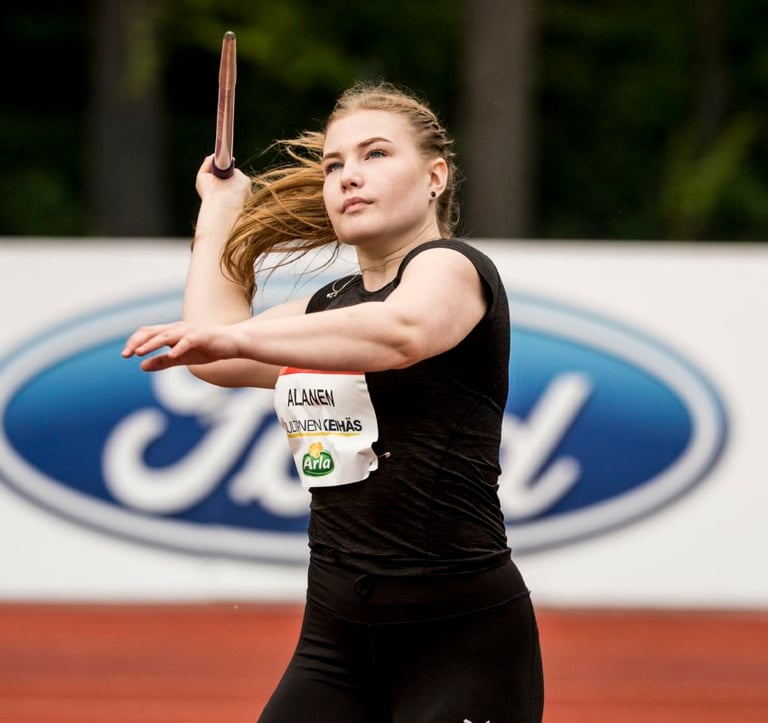
KEIHÄS (javelin) is both an ancient weapon and a modern sporting implement, and in Finland it carries special significance because of the country’s long tradition of success in javelin throwing. The word itself is old, appearing in Finnish folklore, hunting practices, and mythology, where keihäs was used for both combat and subsistence. In modern times, keihäänheitto (javelin throw) has become one of Finland’s most iconic athletics events, producing multiple Olympic and world champions. The keihäs was one of the most important tools for survival in Finland’s forests. Before the widespread use of firearms, it was used for metsästys (hunting) of large animals such as hirvi (moose) and karhu (bear). Archaeological finds show that stone- and iron-tipped keihäät were common in prehistoric Finland, and their use persisted well into the medieval period.
In modern culture, however, Finland is best known for its achievements in keihäänheitto. From the early 20th century, Finnish athletes began to dominate international javelin competitions. Jonni Myyrä won Olympic gold in 1920 and 1924, establishing Finland’s reputation in the event. Later champions included Tapio Rautavaara (1948 Olympic gold), Pauli Nevala (1964 Olympic gold), and Seppo Räty, who won multiple World Championship medals in the 1980s and 1990s. Perhaps the most famous is Aki Parviainen, who became World Champion in 1999, and Tero Pitkämäki, World Champion in 2007. The dominance of Finns in keihäs is often explained by cultural and environmental factors. Finland’s outdoor lifestyle, emphasis on athletics in schools, and tradition of physical labor are seen as contributing to strong throwing abilities. Moreover, the pride associated with keihäänheitto reflects national values of resilience and determination, aligning with the broader cultural concept of sisu (grit and perseverance).
Success in the keihäs event also carried symbolic weight during the 20th century, when Finnish athletes brought international recognition to a small, newly independent nation. Technologically, Finland also contributed to the development of the keihäs itself. Finnish engineers and coaches played a role in designing javelins with improved aerodynamics. At one point in the 1980s, Finnish-made javelins set numerous world records, until rule changes by the International Association of Athletics Federations required redesigns to reduce flight distances for safety reasons.
KESKIYÖNAURINKO
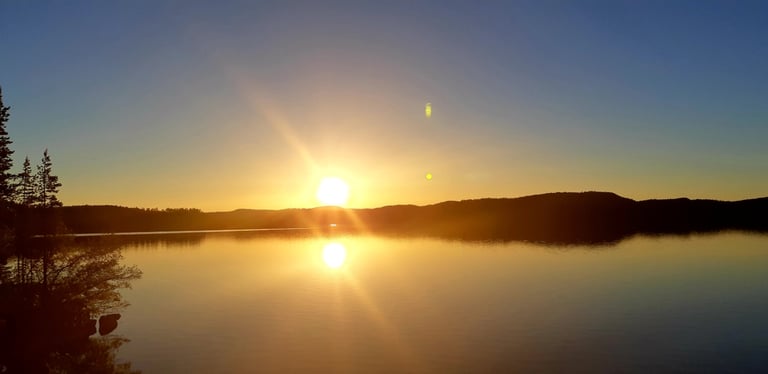
KESKIYÖNAURINKO (midnight sun) is one of the most remarkable natural phenomena in Finland, occurring in the summer months when the sun remains visible at midnight and does not set at all in the far north. The word combines keskiyö (midnight) and aurinko (sun), directly describing this period of continuous daylight. The keskiyön aurinko is most famously experienced in Lapland, above the napapiiri (Arctic Circle), where it lasts from late May to mid-July depending on latitude.
Astronomically, the keskiyön aurinko is caused by the tilt of the Earth’s axis. During the summer solstice, the northern hemisphere is tilted toward the sun, keeping it above the horizon even at midnight in high latitudes. In Finland, the length of continuous daylight increases the farther north one goes: in Utsjoki, the northernmost municipality, the sun stays up for more than two months, while in southern Finland, such as Helsinki, the sun does set but twilight lasts nearly all night, creating the impression of continuous light.
In ancient Finnish beliefs, it was linked to fertility, growth, and renewal. Agricultural communities relied on the long summer days for planting and harvesting, and festivals such as Juhannus (Midsummer) were tied to the peak of light. Folklore tells of rituals performed under the keskiyön aurinko, such as young women collecting flowers to dream of future spouses or people lighting kokko (bonfires) to protect crops and ensure prosperity.
Modern Finns continue to celebrate the keskiyön aurinko through outdoor life. Activities such as yöttömän yön juhlat (festivals of the nightless night), kalastus (fishing), melonta (canoeing), and retkeily (hiking) are popular during this period. For many, the endless daylight is an opportunity to spend extended time in nature, especially at mökki (summer cottages) by lakes and forests. Sports events, concerts, and cultural gatherings are often scheduled at night under the midnight sun, emphasizing its uniqueness.
Psychologically, the keskiyön aurinko has both positive and challenging effects. Many people feel energized and experience improved moods due to the abundance of light, a sharp contrast to the kaamos (polar night) of winter. However, some struggle with sleep during this period, requiring blackout curtains or sleep masks. The interplay between light and darkness is a defining rhythm of Finnish life, shaping annual cycles and cultural practices.
KIRKKOVENE
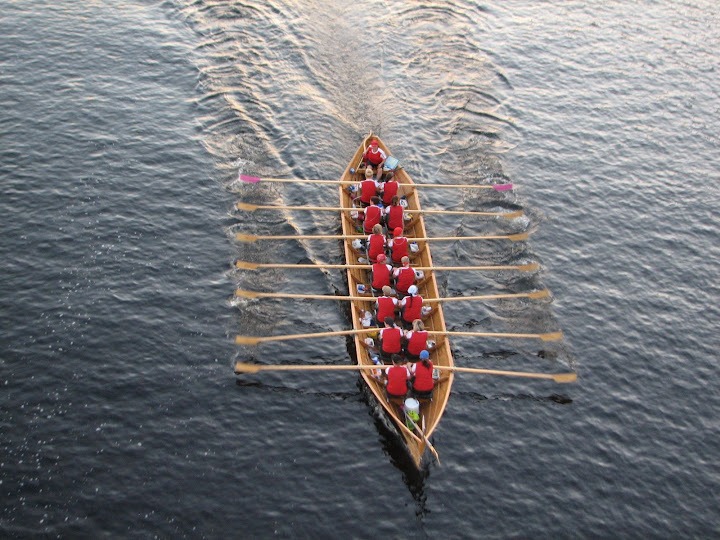
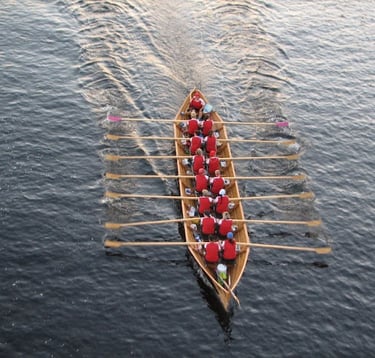
KIRKKOVENE (long rowing church boat) is a traditional Finnish wooden boat designed to carry large groups of people across lakes and rivers to attend church services. The word combines kirkko (church) and vene (boat), directly describing its purpose. In earlier centuries, before roads and bridges connected many rural communities, waterways were the primary routes of transportation in Finland. The kirkkovene was therefore not only a practical vessel but also a cultural symbol of communal life, faith, and cooperation.
Structurally, the kirkkovene is long and narrow, resembling a large rowing boat, often between 10 and 20 meters in length. It was built to seat multiple pairs of rowers, sometimes 10 to 15 on each side, with additional space for passengers. The design allowed entire village communities to travel together to the nearest kirkko. Many parishes were located miles away, often requiring hours of rowing across lakes such as Saimaa or Päijänne. The kirkkovene made this possible, turning the journey to church into a social and spiritual event.
Culturally, the kirkkovene played an important role in fostering unity and cooperation. Attending church was not only a religious obligation but also a central part of social life. Villagers coordinated rowing, and the strength and rhythm of the crew symbolized communal harmony. The journeys also allowed for social interaction, news exchange, and courtship among young people. For many, the kirkkovene was as significant as the church itself in creating a sense of shared identity.
In folklore and tradition, the kirkkovene carried symbolic weight. Rowing together was sometimes compared to the moral duty of supporting one another in life. Proverbs such as sama veneessä (in the same boat) took on literal meaning, emphasizing cooperation. In Finnish songs and poems, the image of a village rowing in a kirkkovene became a metaphor for solidarity and perseverance.
Over time, as roads improved and motorized boats became available, the practical use of kirkkoveneet declined. However, they were preserved as cultural heritage, and replicas are still built today for ceremonial purposes and rowing competitions. The annual kirkkovenesoudut (church boat races) are held in various parts of Finland, especially during summer festivals. These events celebrate tradition while also functioning as modern sporting contests, attracting teams from villages, associations, and companies. The races maintain the communal spirit of the original church journeys but place it in a recreational context.
EXPAND YOUR KNOWLEDGE
If you are serious about learning Finnish, we recommend that you download the Complete Finnish Master Course.
You will receive all the information available on the website in a convenient portable digital format as well as additional contents: over 15.000 Vocabulary Words and Useful Phrases, in-depth explanations and exercises for all Grammar Rules, exclusive articles with Cultural Insights that you find won't in any other textbook so you can amaze your Finnish friends thanks to your knowledge of their country and history.
With a one-time purchase you will also get hours of Podcasts to Practice your Finnish listening skills as well as Dialogues with Exercises to achieve your own Master Certificate.
Start speaking Finnish today!
For suggestions or requests: pr@learnfinnish.org

Learn the official language of Finland in 30 days thanks to the most complete Grammar, Vocabulary and Culture courses available. Start speaking Finnish today!
© 2026 All rights reserved
The Happiest Place on Earth